

Filipe Esteves Highlights Talent, AI and Trust as Strategic Challenges for the Future of ICT
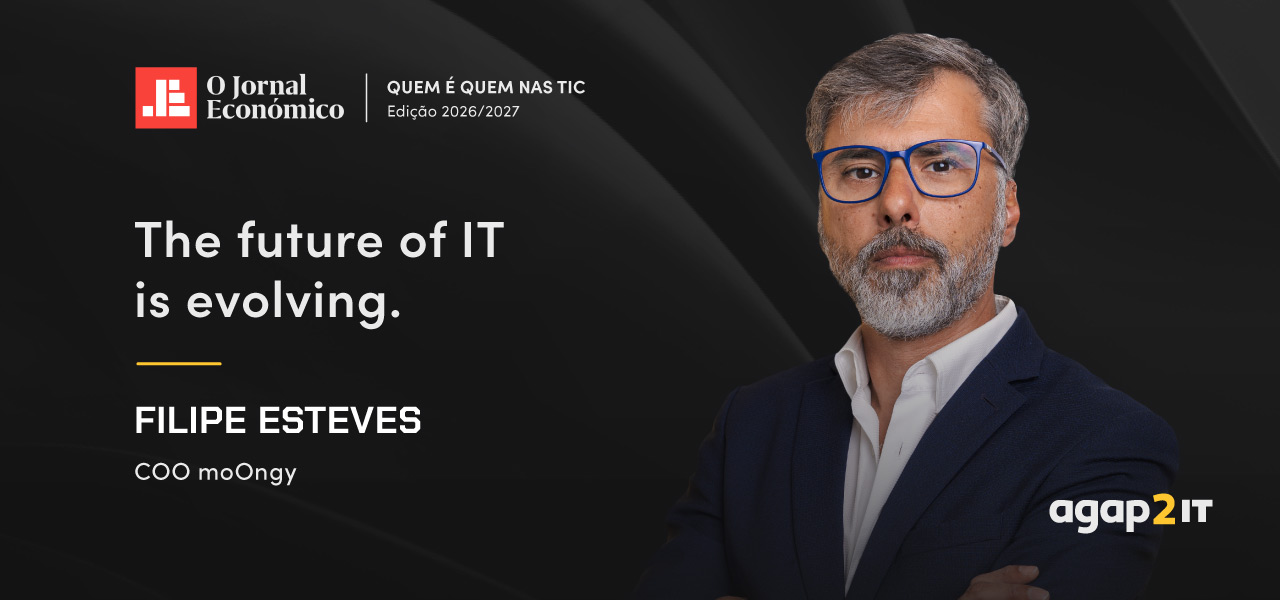
Filipe Esteves shared his perspective on the factors that will shape the competitiveness of the ICT sector in the years ahead. His contribution to Quem é Quem nas TIC 2026, published by Jornal Económico, can be found on page 32 of the supplement and is reproduced below.
The Information and Communication Technologies (ICT) sector is undergoing a profound transformation, driven by digitalization and Artificial Intelligence (AI). However, this market evolution also faces structural challenges that impact the competitiveness of both businesses and the wider economy.
The shortage of qualified talent remains one of the sector's main limitations. Demand for technological skills is growing faster than the capacity to train and attract professionals. This reality is particularly evident in the field of AI, where advancements are not being matched by the availability of specialists capable of developing, implementing and governing these technologies. The lack of these skills could become a limiting factor in both AI adoption and the realization of its full potential.
The implementation of AI also raises challenges related to privacy, security and regulatory compliance. Many organizations are still unable to ensure that their own data, as well as their customers' data, remains protected and processed in environments that guarantee the required level of confidentiality. In this context, clear and balanced regulation is essential to strengthen trust, promote innovation and safeguard data sovereignty.
Cybersecurity, enhanced international competitiveness, and the acceleration of digital transformation across both the economy and public administration will also be key factors in the sector's future. The challenge lies in turning technological innovation into sustainable growth without compromising trust and information security.
conteúdos relacionados
Interesting Content



-404
THINK2MORROW
UPDATES





THINK2MORROW
UPDATES